
We are pleased to announce the winners of the Autumn round of our Research Grants.
In this round we are making three Society for Post-Medieval Archaeology Research Grant awards.
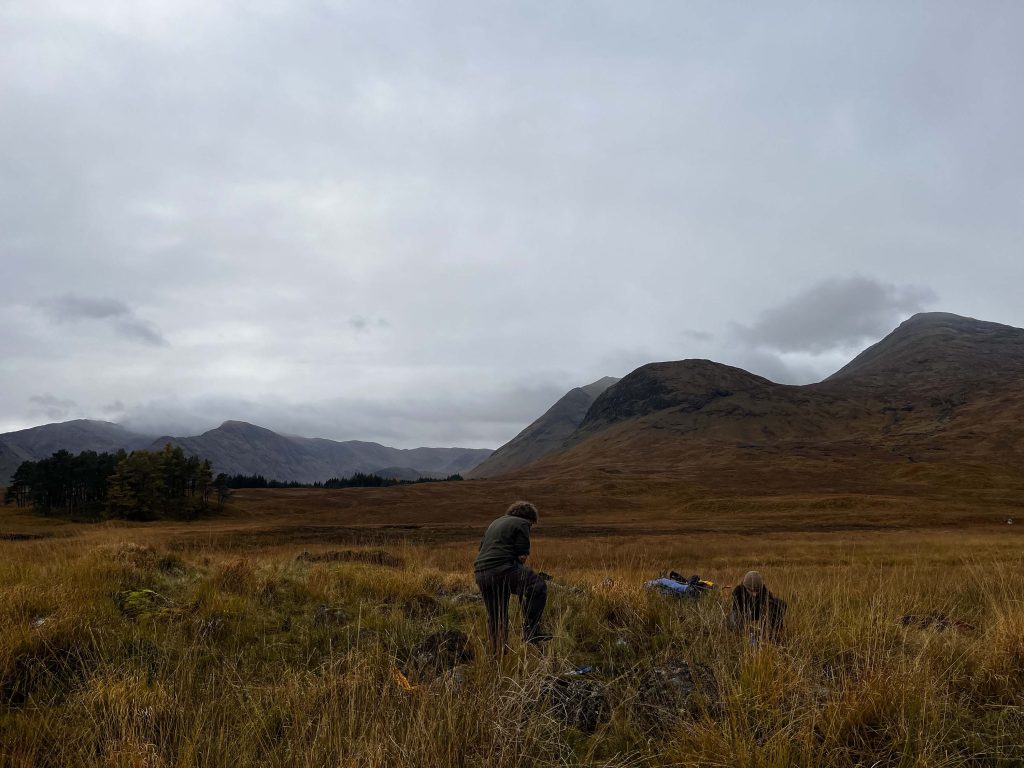
SPMA is supporting the Rannoch Moor Archaeology project. The project sets out to explore the archaeology of the 17th-century deer forest of Corrie Ba, the changing management of deer, fuel, timber, and grazing, and shifting patterns of settlement (permanent and seasonal) on the moor.
Rannoch Moor is one of Scotland’s largest areas of upland peatland, stretching approximately 50 square kilometres and is a Nature Scot wildland area. It is also a rich untapped archaeological landscape. This project will investigate the houses of foresters, shieling grounds of Glenlyon tenants and a bloomery mound to better understand resource use on the moor. The award to Edward Stewart of the University of Glasgow is £550.


The second Research Grant is to Magdalena Bis of the Polish Academy of Sciences, Warsaw. Her project is ‘In the ducal cellar: the provenance, use and circulation of 19th-century glass bottles. A case study of finds from the tin-roof palace in Warsaw’.
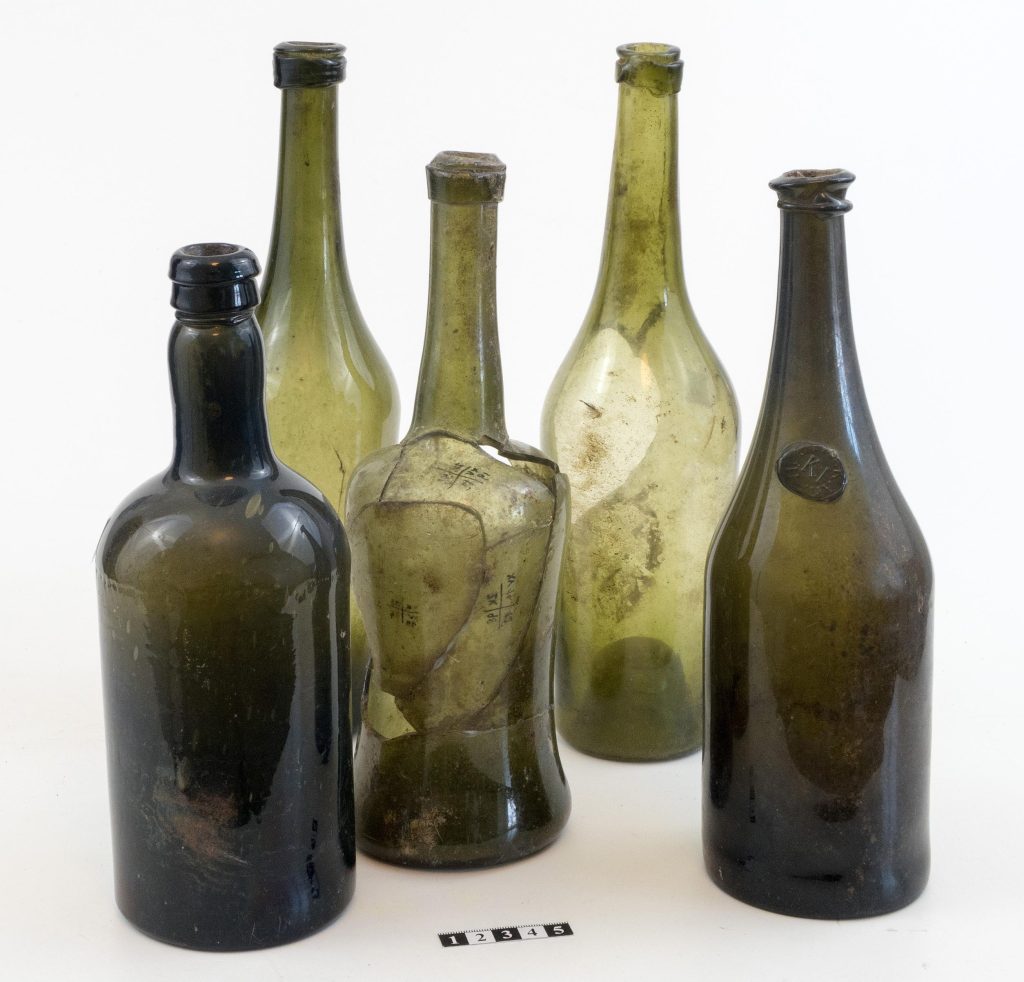
More than 100 late-18th- and early-19th-century bottles have been reconstructed from glass fragments discovered in the cellar of the Tin-Roof Palace, part of the Royal Castle complex in Warsaw. It is a unique collection of artefacts in the Polish context, given the size of the collection, the state of preservation of the bottles, and the presence of glass seals.
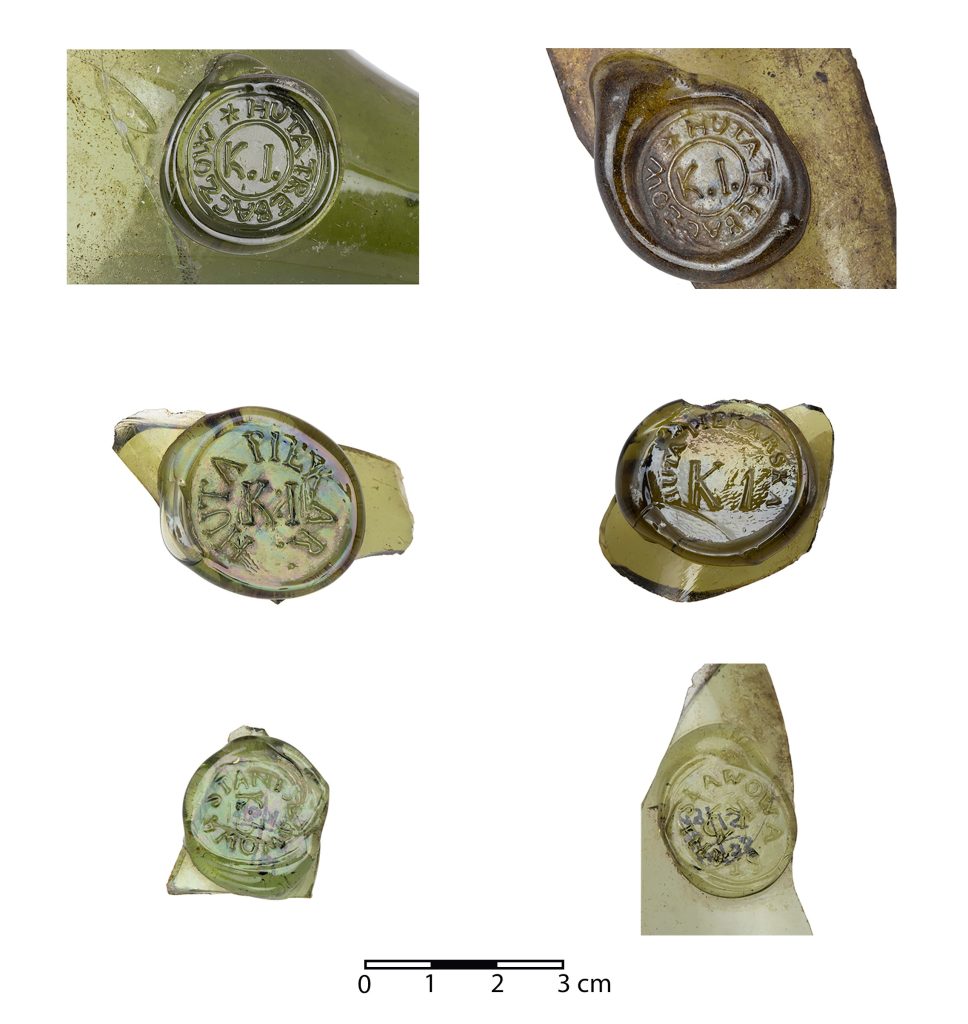
As part of the project, glass samples from the bottles will be analysed using laser ablation inductively coupled plasma mass spectrometry (LA-ICP-MS), one of the most widely used analytical techniques for the study of historical glass.
The data obtained will provide a comprehensive characterisation of the glass used in the manufacture of the specimens under investigation. The results will enable the identification of similarities and differences in production techniques during this transitional period, marked by the shift from traditional to mechanised glassmaking. They will also provide important insights into the quality and scale of glass production in the Warsaw area, distribution networks, and the social and economic relationships between producers and purchasers. Furthermore, the chemical composition data will help establish the provenance of the glass used in the bottles. The award is for £550.
Our final Research Grant of 2026 is in support of Layn Mawcha’s project researching the history of archaeological investigation in Ethiopia; ‘Investigating the role of local leaders in the development of archaeological research at Aksum in the 19th century’.
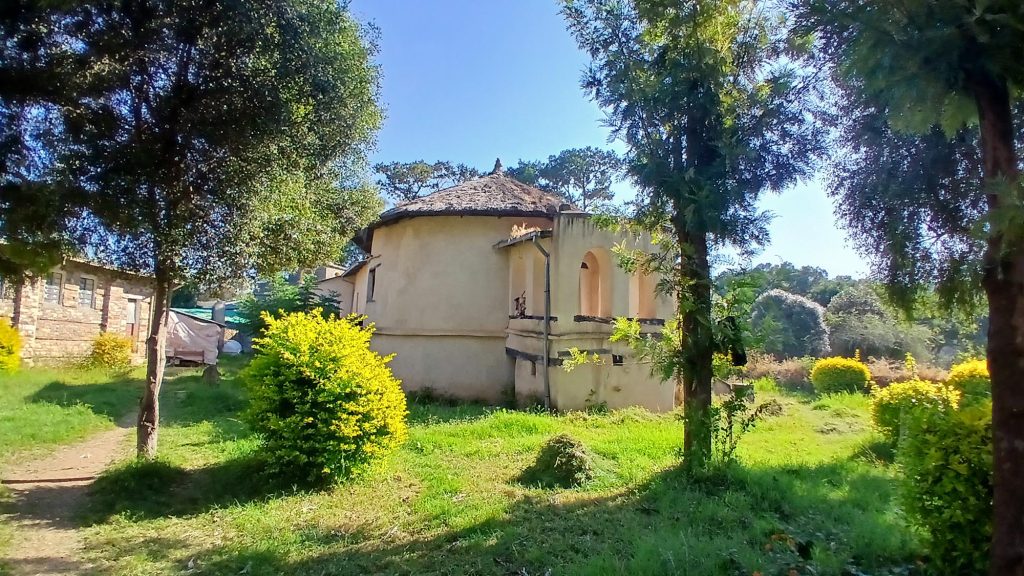
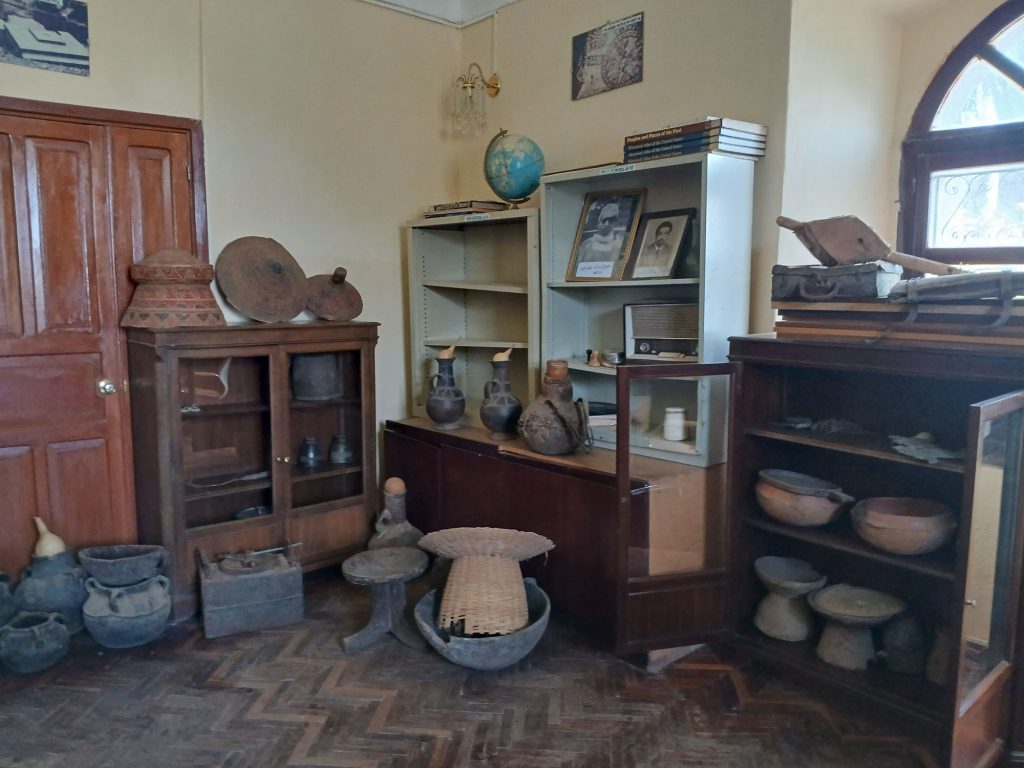
Aksum is one of the most important archaeological, historical, and religious landscapes in Africa. Archaeological research in Aksum began in the 19th century with the Dutch Aksum Expedition. Since then, a great deal of archaeological investigation has been carried out, and research is still ongoing. Most of these investigations have focused on discoveries, methods, and publications. However, the role of local leaders in the development of archaeological research has not been well studied, despite being an important aspect of understanding the documentation of Aksumite heritage.
The research objectives include;
- identifying Ethiopian political, religious, and community leaders involved in archaeological activities
- examining the relationship between local leaders and European researchers
- assessing how local leaders influenced the preservation, interpretation, and documentation of Aksum’s heritage.
Based on these objectives, the 19th-century archaeological research in Aksum will be reconstructed. The research is expected to identify the roles of local leaders, document local knowledge that influenced archaeological interpretation, and provide recommendations for incorporating local perspectives into the history and practice of archaeological research. The award is for £450.
Learn more about SPMA research grants and past projects that we have supported.